

Stop Replacing Things That Still Work: 7 Easy Home Fixes You’ll Wish You Tried Sooner
Sustainable living has developed a shopping problem.
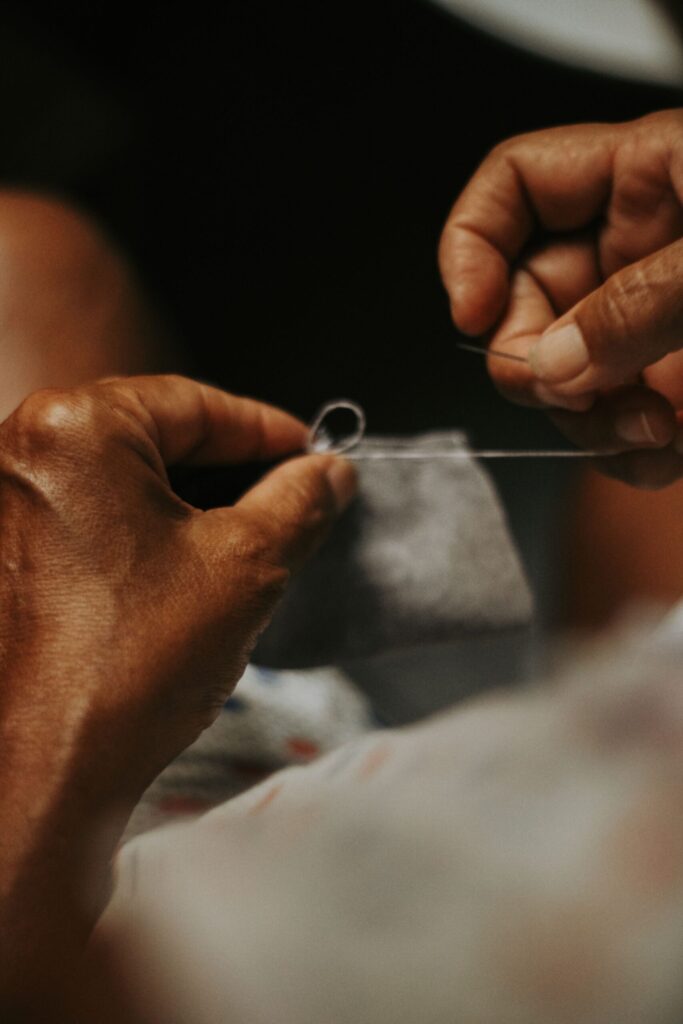
Search for ways to create a greener home and you’ll find endless products promising to help. But often, the smarter move isn’t buying something new—it’s making a few easy home fixes to what you already own.
Some swaps make sense. Others amount to throwing away one usable object so we can buy another object that looks more sustainable.
If an item truly has reached the end of its useful life, our guide to simple sustainable swaps for a lower-waste home can help you choose the replacement more carefully.
Sometimes, the greenest product is the one you already own.
If you’re looking for things to repair instead of replace, the trick is knowing which problems are genuinely worth fixing—and which “easy repair” advice is more trouble than it’s worth. Almost anything can technically be repaired if you have enough time, money, skill, and patience. That’s not especially useful advice.
The better question is: Is there a repair I will realistically finish—and will it actually make this thing useful again?
Repairing and reusing products can reduce waste and delay the need for another replacement. The U.S. Environmental Protection Agency recommends maintaining and repairing products as part of reducing waste and extending their useful life.
7 Easy Home Fixes Instead of Buying New
- How to diagnose a sagging couch
- How to remove fabric pilling safely
- How to repair scratches in wood furniture
- How to repair an opened upholstery seam
- What leather and vinyl damage can actually be repaired
- When shoes are worth repairing
- Why furniture hardware keeps coming loose
Why Repair Feels Better Than Buying Another One
You start with something scratched, pilled, sagging, split, or just irritating enough that replacing it has crossed your mind. Then you fix the actual problem.
There’s proof of progress sitting right in front of you.
That small success offers something scrolling and online shopping rarely provide: a finished physical task. You used your hands, solved a visible problem, and made something useful again. And saved a little too.
You don’t have to become a dedicated DIY person. You need repairs with a reasonable chance of working before your enthusiasm disappears.
Don’t repair something because somebody says you should. Repair it when the fix is easier, cheaper, or more satisfying than replacing it.
Affiliate disclosure: As an Amazon Associate we earn from qualifying purchases. Product examples below are based on our current research. We will identify products separately if and when we personally test them.
1. A Sagging Couch: Figure Out What Is Actually Sagging
A sagging couch is one of those easy home fixes that belongs on any practical list of things to repair instead of replace, but only after you figure out what is actually sagging. It can be tired cushion foam, weak support beneath the cushions, broken springs, failed webbing, or an actual frame problem. The right fix depends on which one you have.
What Works
- Remove the cushions and inspect what is underneath them.
- If a cushion still looks collapsed when placed on a flat surface, the cushion itself probably needs attention—often new foam or added batting.
- If the cushion feels reasonably firm off the couch but sinks when installed, investigate the support underneath it.
- If the frame and spring system remain sound but the seating deck flexes too much, a properly sized cushion support board may improve firmness.
What Doesn’t
A support board cannot repair a cracked frame, broken spring, failed webbing, or foam that has already collapsed. It can improve support. It cannot turn structural failure into a sound sofa.
DIY or Call a Pro?
Good DIY candidate: mild-to-moderate sagging with an intact frame, intact spring system, and usable cushions.
Get experienced help: cracked structural wood, broken springs, badly failed webbing, or extensive internal damage.
Realistic Result
A support fix may make an otherwise usable couch noticeably firmer and more comfortable. It will not make an old sofa new again—and that isn’t the goal.
Product that fits this repair: the GORILLA GRIP couch cushion support is designed to add support beneath cushions when the underlying couch structure is still sound.
As an Amazon Associate, I may earn from qualifying purchases and eligible program sign-ups.
2. Pilled Fabric: Surface Wear Is Not the Same as Worn-Out Fabric
Pilled fabric is another of the things to repair instead of replace when the problem is limited to surface wear. Pills form when loose fibers are repeatedly rubbed and tangled on the surface of fabric. That makes pilling visible, but it does not automatically mean the underlying sweater, blanket, or upholstery has lost its usefulness.
What Works
- Check the fabric and care instructions first.
- Keep the material flat and under light tension.
- Test a hidden area before working on a visible section.
- Use a fabric shaver lightly instead of repeatedly grinding over the same spot.
- Stop when the pills are gone.
What Doesn’t
A fabric shaver removes material from the surface. More pressure is not better. Aggressive or repeated shaving can damage delicate fabric, and shaving cannot restore fibers that are already thin or worn through.
DIY or Let It Go?
Good DIY candidate: structurally sound fabric with surface fuzz or pilling.
Beyond this fix: fabric that is thinning, separating, developing holes, or visibly weak beneath the pills.
Realistic Result
The fabric can look significantly cleaner and smoother. What you are restoring is appearance—not lost fiber strength.
Product that fits this repair: the BEAUTURAL Fabric Shaver and Lint Remover is a simple option for compatible fabrics when used gently.
As an Amazon Associate, I may earn from qualifying purchases and eligible program sign-ups.
3. Scratched Wood Furniture: Match the Fix to the Depth
Scratched wood furniture is one of the easier things to repair instead of replace when the damage is cosmetic. Not every scratch needs filler, sanding, or refinishing. The first job is figuring out whether you’re looking at residue on the finish, color loss, a shallow scratch, or material that is actually missing.
What Works
- Clean the area first. Sometimes what looks like damage is partly buildup or transfer sitting on the finish.
- Minor color loss and small scratches can often be disguised with a carefully matched touch-up marker.
- A deeper nick or small gouge may need wax or filler because material is actually missing.
- Always test color somewhere inconspicuous first.
Wood-finish manufacturers such as Minwax position repair markers for minor nicks and scratches, which is a useful boundary: a marker changes color. It does not rebuild missing wood.
What Doesn’t
- Coloring a deep gouge and expecting the depression to disappear.
- Using one dark marker over every shade of wood.
- Treating loose veneer or structural cracks like ordinary scratches.
DIY or Call a Pro?
Good DIY candidate: light scratches, small nicks, minor finish wear, and shallow cosmetic damage.
Get experienced help: large veneer losses, deep gouges in valuable furniture, antiques, major finish failure, or structural splitting.
Realistic Result
Good touch-up work makes damage less noticeable. It does not necessarily make it invisible. Sometimes a repair that disappears from normal viewing distance is plenty good enough.
Product that fits this repair: the REALINN Wood Furniture Repair Kit includes different touch-up and filling options, which makes more sense than pretending every scratch needs the same treatment.
As an Amazon Associate, I may earn from qualifying purchases and eligible program sign-ups.
4. An Open Upholstery Seam: Sew the Seam, Not Failing Fabric
An opened upholstery seam is one of the most manageable things to repair instead of replace when the surrounding fabric is still strong. It can look intimidating while actually being fairly manageable.
The distinction that matters is whether the thread failed or the fabric failed.
What Works
- If the original seam has opened but there is still strong fabric on both sides, resewing can restore the joint.
- Use thread and needles appropriate to the weight of the upholstery.
- Follow the original seam line where practical.
- A curved upholstery needle can make some installed repairs easier when you cannot reach behind the material.
iFixit’s seam-repair guidance illustrates the basic principle: sound material joined by failed stitching can often be hand repaired.
What Doesn’t
If the upholstery itself is fraying, crumbling, or tearing when you put light tension on it, pulling the edges together with tighter stitches can simply create another tear beside the repair.
DIY or Call a Pro?
Good DIY candidate: a short opened seam with intact surrounding fabric and reasonable access.
Professional territory: high-stress structural seams, large missing sections, deteriorated upholstery, complicated fitted panels, or repairs requiring substantial furniture disassembly.
Realistic Result
A good hand repair can make the seam functional again. Depending on the fabric, stitch, and location, you may still be able to see where it was repaired. That’s fine. The couch does not need to forget the incident ever happened.
Product that fits this repair: the intentional Upholstery Repair Sewing Kit includes heavier needles, thread, and basic tools for repairs that ordinary clothing needles may not handle comfortably.
As an Amazon Associate, I may earn from qualifying purchases and eligible program sign-ups.
5. Leather and Vinyl Damage: Know What You’re Actually Trying to Fix
Leather and vinyl furniture can also be among the things to repair instead of replace, but only when the material and damage are suitable for a DIY fix. Leather repair gets oversold because several very different problems are often treated as though they’re the same thing.
What Works
- Dry or stiff real leather: cleaning and an appropriate conditioner may restore some suppleness and improve the surface.
- Minor color loss or light scuffs: compatible color balm or recoloring products can improve appearance.
- Small localized tear or puncture: a properly matched repair patch or leather-repair system may contain and disguise the damage.
- Open seam in otherwise sound material: stitching may be the right repair rather than covering the area with a patch.
What Doesn’t
- Super glue can create a hard, inflexible spot where the surrounding upholstery still needs to move.
- Duct tape leaves adhesive behind and can make a later proper repair more difficult.
- A small patch is not a cure for widespread peeling, shedding, or material failure.
- A recoloring product cannot rebuild missing upholstery.
DIY or Call a Pro?
Good DIY candidate: localized surface wear, small scratches, a short sound seam opening, or a small tear surrounded by stable material.
Call an upholsterer or leather specialist: major seat-panel tears, damage on high-stress seams, failing backing material, widespread surface deterioration, or damage extending into the cushion or structure beneath.
Realistic Result
A repair can stabilize damage and make a small flaw much less noticeable. A patch may remain visible. A color repair may blend rather than disappear. A badly deteriorated chair is not going to become showroom-new because somebody opened a repair kit.
Product that fits this repair: for a small vinyl or leather-look tear where a patch makes sense, this self-adhesive repair material is the lowest-effort option in our current product set.
As an Amazon Associate, I may earn from qualifying purchases and eligible program sign-ups.
6. Good Shoes With a Bad Spot: Repair What Is Worth Repairing
Shoes are a good example of why repair advice should not automatically mean buying a repair product.
What Works
- Clean the material using a method appropriate to that material.
- Condition real leather when it is dry rather than treating every shoe surface as leather.
- Replace worn removable insoles when the shoe itself remains structurally sound.
- Have repairable soles and heels addressed before wear spreads into harder-to-repair areas.
What Doesn’t
- Random household glue on a substantial sole separation.
- Leather conditioner on synthetic materials that don’t behave like leather.
- Waiting until a small sole or heel problem has destroyed the layers underneath it.
DIY or Cobbler?
Good DIY candidate: cleaning, appropriate conditioning, replacement insoles or laces, and minor cosmetic maintenance.
Take them to a cobbler: significant sole separation, resoling, heel rebuilding, structural stitching, or a good pair of shoes you would rather not experiment on.
Realistic Result
Maintenance can make a good pair of shoes look better and last longer. It cannot rescue every failing synthetic upper or structurally worn-out shoe.
No product recommendation here on purpose. Sometimes the smartest repair recommendation is a local professional, not another thing to put in your Amazon cart.
7. Furniture Hardware That Won’t Stay Tight
If a screw is loose once, tightening it is obvious.
If it keeps coming loose, that is the problem worth diagnosing.
What Works
- Check whether the fastener itself is damaged.
- Look for a stripped screw hole rather than repeatedly tightening the same screw.
- Move the joint gently and watch where the movement actually occurs. The problem may be the joint or surrounding wood rather than the hardware.
- Replace damaged knobs, pulls, hinges, casters, and ordinary fasteners with correctly sized parts.
- A stripped hole in otherwise sound wood can often be rebuilt rather than abandoned.
What Doesn’t
- Driving the same screw harder into a stripped hole.
- Installing a random longer screw without knowing what is behind the hole.
- Treating cracked load-bearing wood as though it is merely a hardware problem.
DIY or Call a Pro?
Good DIY candidate: replaceable hardware, ordinary stripped screw holes, and simple joints where the surrounding material remains sound.
Stop: split structural wood, joints that remain unstable after repair, damaged load-bearing parts, or furniture valuable enough that an improvised repair could do more harm than good.
Realistic Result
If the fastener or joint is genuinely the problem, the repair can restore stability. If the wood itself has failed, no amount of screw tightening fixes that.
No product recommendation required. Most people who already own a screwdriver do not need us to sell them another screwdriver.
How to Decide Which Things to Repair Instead of Replace
New products promise a clean beginning. The scratched table disappears. The pilled sweater leaves the closet. The sofa with the irritating sag becomes somebody else’s problem.
Replacement feels efficient because buying is familiar. Repair introduces uncertainty: Will it work? Will it take all afternoon? Will I make the damage worse?
And all of those are valid questions. I can’t count how many times I have tried something that took way too long, didn’t work, or even made the problem worse.
That’s why repair advice often fails. It assumes people will spend much more time and effort for environmental reasons alone. Most people will not. I usually won’t either.
A practical list of things to repair instead of replace has to compete with the convenience of buying new. For the easy fixes, we want inexpensive, beginner-friendly, low-risk, visibly worthwhile—and preferably something we can finish before it becomes a new weekend project.
Small successes create more motivation than guilt ever will.
When Replacement Is the Responsible Choice
Repair before replace does not mean repair at any cost. Sometimes replacing something—or getting qualified help—is the responsible decision.
- damaged wiring, batteries, cords, or electrical insulation
- gas appliances, fuel systems, or pressurized components
- structural damage that could cause collapse or injury
- persistent mold, contamination, or unsafe food-contact surfaces
- damaged child-safety products or protective equipment
- a repair that costs nearly as much as a durable replacement
- an item that remains unsafe, uncomfortable, or seriously inefficient after repair
Before repairing or continuing to use a product with a possible safety problem, check the U.S. Consumer Product Safety Commission recall database. A recall may require a particular manufacturer repair, replacement, or refund rather than a home fix.
Buy the Next One With Its Second Life in Mind
Eventually, everything reaches the end of its useful life.
When replacement really is necessary, look beyond the environmental language on the package. Ask whether the next product can survive ordinary life.
- Are replacement parts or covers available?
- Can worn components be removed without destroying the item?
- Are ordinary fasteners accessible?
- Does the manufacturer provide care or repair instructions?
- Is the material durable enough to clean and maintain?
- Is there a meaningful warranty?
- Can an independent repair shop work on it?
Repairability is not only about whether something can physically be fixed. Access to parts, tools, instructions, and service matters too. The Federal Trade Commission’s report on repair restrictions documents barriers that can make otherwise repairable products harder or more expensive to keep in service.
A truly sustainable purchase is not merely made from a greener material. It is designed to remain useful.
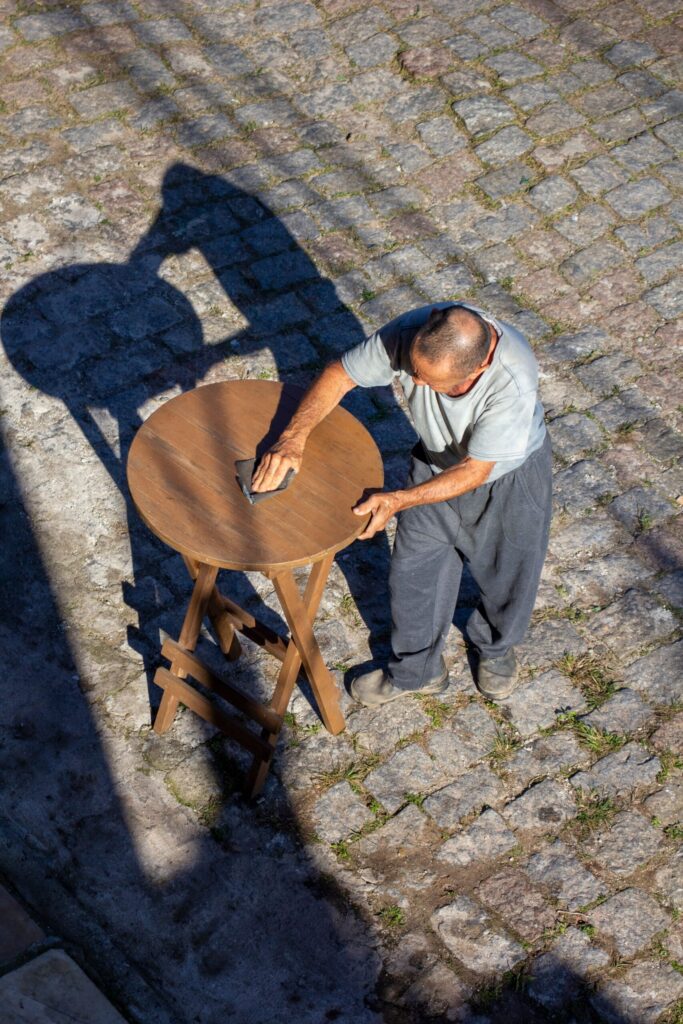
Quick Questions About Things to Repair Instead of Replace
Is repairing something always more sustainable than replacing it?
No. Repair makes the most sense when an item can remain safe and useful without requiring excessive materials, money, or energy. Unsafe products, severe structural damage, recalls, contamination, and uneconomical repairs may make replacement the better choice.
How do I know if a sagging couch can be repaired?
Separate cushion problems from support and frame problems. If the cushion remains sagged when removed and placed on a flat surface, the cushion itself may be failing. If the cushion is firm but sinks when installed, inspect the support underneath. Broken frames and spring systems usually require a more substantial repair.
Can fabric pilling be removed without damaging the fabric?
Often, yes. On compatible fabrics, a fabric shaver can remove surface pills when used gently on flat fabric. Test a hidden area first and stop if the material itself is thinning or fragile.
Can scratched wood furniture really be repaired at home?
Minor scratches and color loss can often be disguised with matching touch-up products. Deeper gouges may need filler or wax, while damaged veneer, structural cracks, and valuable antiques may need professional work.
Can a torn couch seam be hand sewn?
Absolutely, when the stitching has failed but the surrounding upholstery remains strong. And easier than you’d think. However, if the fabric itself is fraying, deteriorating, or tearing under light tension, simply sewing the seam closed may create more damage.
When is leather furniture too damaged for a DIY repair?
Small scratches, localized color loss, short seam openings, and minor tears may be reasonable DIY repairs. Widespread peeling, badly deteriorated material, large seat-panel tears, and structural upholstery damage usually need professional assessment or replacement.
Things to Repair Instead of Replace—One Good Fix at a Time
You do not need to repair everything. The point of finding things to repair instead of replace is to recognize the fixes that are actually worth your time.
You do not need a garage full of tools, a new hobby, or enough patience to spend Saturday rebuilding a toaster.
You only need to interrupt the automatic leap from slightly damaged to replace it long enough to ask one question:
Is this actually broken—or is there one fix between me and another year of use?
Sometimes the answer will be no.
But every once in a while, you get to look at something that almost became trash and say:
I fixed that.
Hero sewing photo by Gabriel Frank on Pexels.com. Additional imagery via Pexels.com.
Check out these seven household fixes worth trying before you buy something new.

Sustainable living has developed a shopping problem.
Search for ways to create a greener home, and you’ll quickly find yourself surrounded by things to buy: greener cleaning supplies, greener storage containers, greener kitchen tools, and greener replacements for products already sitting in your house.
Some swaps make sense. Others amount to throwing away one usable object so we can buy another object that looks more sustainable.
If an item truly has reached the end of its useful life, our guide to simple sustainable swaps for a lower-waste home can help you choose the replacement more carefully.
Sometimes, the greenest product is the one you already own.
If you’re looking for things to repair instead of replace, the trick is knowing which problems are genuinely worth fixing—and which “easy repair” advice is more trouble than it’s worth. Almost anything can technically be repaired if you have enough time, money, skill, and patience. That’s not especially useful advice.
The better question is: Is there a repair I will realistically finish—and will it actually make this thing useful again?
Repairing and reusing products can reduce waste and delay the need for another replacement. The U.S. Environmental Protection Agency recommends maintaining and repairing products as part of reducing waste and extending their useful life.
7 Things to Repair Instead of Replace at Home
- How to diagnose a sagging couch
- How to remove fabric pilling safely
- How to repair scratches in wood furniture
- How to repair an opened upholstery seam
- What leather and vinyl damage can actually be repaired
- When shoes are worth repairing
- Why furniture hardware keeps coming loose
Why Repair Feels Better Than Buying Another One
You start with something scratched, pilled, sagging, split, or just irritating enough that replacing it has crossed your mind. Then you fix the actual problem.
There’s proof of progress sitting right in front of you.
That small success offers something scrolling and online shopping rarely provide: a finished physical task. You used your hands, solved a visible problem, and made something useful again. And saved a little too.
You don’t have to become a dedicated DIY person. You need repairs with a reasonable chance of working before your enthusiasm disappears.
Don’t repair something because somebody says you should. Repair it when the fix is easier, cheaper, or more satisfying than replacing it.
Affiliate disclosure: As an Amazon Associate I earn from qualifying purchases. Product examples below are based on our current research. We will identify products separately if and when we personally test them.
1. A Sagging Couch: Figure Out What Is Actually Sagging
A sagging couch belongs on any practical list of things to repair instead of replace, but only after you figure out what is actually sagging. It can be tired cushion foam, weak support beneath the cushions, broken springs, failed webbing, or an actual frame problem. The right fix depends on which one you have.
What Works
- Remove the cushions and inspect what is underneath them.
- If a cushion still looks collapsed when placed on a flat surface, the cushion itself probably needs attention—often new foam or added batting.
- If the cushion feels reasonably firm off the couch but sinks when installed, investigate the support underneath it.
- If the frame and spring system remain sound but the seating deck flexes too much, a properly sized cushion support board may improve firmness.
What Doesn’t
A support board cannot repair a cracked frame, broken spring, failed webbing, or foam that has already collapsed. It can improve support. It cannot turn structural failure into a sound sofa.
DIY or Call a Pro?
Good DIY candidate: mild-to-moderate sagging with an intact frame, intact spring system, and usable cushions.
Get experienced help: cracked structural wood, broken springs, badly failed webbing, or extensive internal damage.
Realistic Result
A support fix may make an otherwise usable couch noticeably firmer and more comfortable. It will not make an old sofa new again—and that isn’t the goal.
Product that fits this repair: the GORILLA GRIP couch cushion support is designed to add support beneath cushions when the underlying couch structure is still sound.
As an Amazon Associate, I may earn from qualifying purchases and eligible program sign-ups.
2. Pilled Fabric: Surface Wear Is Not the Same as Worn-Out Fabric
Pilled fabric is another of the things to repair instead of replace when the problem is limited to surface wear. Pills form when loose fibers are repeatedly rubbed and tangled on the surface of fabric. That makes pilling visible, but it does not automatically mean the underlying sweater, blanket, or upholstery has lost its usefulness.
What Works
- Check the fabric and care instructions first.
- Keep the material flat and under light tension.
- Test a hidden area before working on a visible section.
- Use a fabric shaver lightly instead of repeatedly grinding over the same spot.
- Stop when the pills are gone.
What Doesn’t
A fabric shaver removes material from the surface. More pressure is not better. Aggressive or repeated shaving can damage delicate fabric, and shaving cannot restore fibers that are already thin or worn through.
DIY or Let It Go?
Good DIY candidate: structurally sound fabric with surface fuzz or pilling.
Beyond this fix: fabric that is thinning, separating, developing holes, or visibly weak beneath the pills.
Realistic Result
The fabric can look significantly cleaner and smoother. What you are restoring is appearance—not lost fiber strength.
Product that fits this repair: the BEAUTURAL Fabric Shaver and Lint Remover is a simple option for compatible fabrics when used gently.
As an Amazon Associate, I may earn from qualifying purchases and eligible program sign-ups.
3. Scratched Wood Furniture: Match the Fix to the Depth
Scratched wood furniture is one of the easier things to repair instead of replace when the damage is cosmetic. Not every scratch needs filler, sanding, or refinishing. The first job is figuring out whether you’re looking at residue on the finish, color loss, a shallow scratch, or material that is actually missing.
What Works
- Clean the area first. Sometimes what looks like damage is partly buildup or transfer sitting on the finish.
- Minor color loss and small scratches can often be disguised with a carefully matched touch-up marker.
- A deeper nick or small gouge may need wax or filler because material is actually missing.
- Always test color somewhere inconspicuous first.
Wood-finish manufacturers such as Minwax position repair markers for minor nicks and scratches, which is a useful boundary: a marker changes color. It does not rebuild missing wood.
What Doesn’t
- Coloring a deep gouge and expecting the depression to disappear.
- Using one dark marker over every shade of wood.
- Treating loose veneer or structural cracks like ordinary scratches.
DIY or Call a Pro?
Good DIY candidate: light scratches, small nicks, minor finish wear, and shallow cosmetic damage.
Get experienced help: large veneer losses, deep gouges in valuable furniture, antiques, major finish failure, or structural splitting.
Realistic Result
Good touch-up work makes damage less noticeable. It does not necessarily make it invisible. Sometimes a repair that disappears from normal viewing distance is plenty good enough.
Product that fits this repair: the REALINN Wood Furniture Repair Kit includes different touch-up and filling options, which makes more sense than pretending every scratch needs the same treatment.
As an Amazon Associate, I may earn from qualifying purchases and eligible program sign-ups.
4. An Open Upholstery Seam: Sew the Seam, Not Failing Fabric
An opened upholstery seam is one of the most manageable things to repair instead of replace when the surrounding fabric is still strong. It can look intimidating while actually being fairly manageable.
The distinction that matters is whether the thread failed or the fabric failed.
What Works
- If the original seam has opened but there is still strong fabric on both sides, resewing can restore the joint.
- Use thread and needles appropriate to the weight of the upholstery.
- Follow the original seam line where practical.
- A curved upholstery needle can make some installed repairs easier when you cannot reach behind the material.
iFixit’s seam-repair guidance illustrates the basic principle: sound material joined by failed stitching can often be hand repaired.
What Doesn’t
If the upholstery itself is fraying, crumbling, or tearing when you put light tension on it, pulling the edges together with tighter stitches can simply create another tear beside the repair.
DIY or Call a Pro?
Good DIY candidate: a short opened seam with intact surrounding fabric and reasonable access.
Professional territory: high-stress structural seams, large missing sections, deteriorated upholstery, complicated fitted panels, or repairs requiring substantial furniture disassembly.
Realistic Result
A good hand repair can make the seam functional again. Depending on the fabric, stitch, and location, you may still be able to see where it was repaired. That’s fine. The couch does not need to forget the incident ever happened.
Product that fits this repair: the intentional Upholstery Repair Sewing Kit includes heavier needles, thread, and basic tools for repairs that ordinary clothing needles may not handle comfortably.
As an Amazon Associate, I may earn from qualifying purchases and eligible program sign-ups.
5. Leather and Vinyl Damage: Know What You’re Actually Trying to Fix
Leather and vinyl furniture can also be among the things to repair instead of replace, but only when the material and damage are suitable for a DIY fix. Leather repair gets oversold because several very different problems are often treated as though they’re the same thing.
What Works
- Dry or stiff real leather: cleaning and an appropriate conditioner may restore some suppleness and improve the surface.
- Minor color loss or light scuffs: compatible color balm or recoloring products can improve appearance.
- Small localized tear or puncture: a properly matched repair patch or leather-repair system may contain and disguise the damage.
- Open seam in otherwise sound material: stitching may be the right repair rather than covering the area with a patch.
What Doesn’t
- Super glue can create a hard, inflexible spot where the surrounding upholstery still needs to move.
- Duct tape leaves adhesive behind and can make a later proper repair more difficult.
- A small patch is not a cure for widespread peeling, shedding, or material failure.
- A recoloring product cannot rebuild missing upholstery.
DIY or Call a Pro?
Good DIY candidate: localized surface wear, small scratches, a short sound seam opening, or a small tear surrounded by stable material.
Call an upholsterer or leather specialist: major seat-panel tears, damage on high-stress seams, failing backing material, widespread surface deterioration, or damage extending into the cushion or structure beneath.
Realistic Result
A repair can stabilize damage and make a small flaw much less noticeable. A patch may remain visible. A color repair may blend rather than disappear. A badly deteriorated chair is not going to become showroom-new because somebody opened a repair kit.
Product that fits this repair: for a small vinyl or leather-look tear where a patch makes sense, this self-adhesive repair material is the lowest-effort option in our current product set.
As an Amazon Associate, I may earn from qualifying purchases and eligible program sign-ups.
6. Good Shoes With a Bad Spot: Repair What Is Worth Repairing
Shoes are a good example of why repair advice should not automatically mean buying a repair product.
What Works
- Clean the material using a method appropriate to that material.
- Condition real leather when it is dry rather than treating every shoe surface as leather.
- Replace worn removable insoles when the shoe itself remains structurally sound.
- Have repairable soles and heels addressed before wear spreads into harder-to-repair areas.
What Doesn’t
- Random household glue on a substantial sole separation.
- Leather conditioner on synthetic materials that don’t behave like leather.
- Waiting until a small sole or heel problem has destroyed the layers underneath it.
DIY or Cobbler?
Good DIY candidate: cleaning, appropriate conditioning, replacement insoles or laces, and minor cosmetic maintenance.
Take them to a cobbler: significant sole separation, resoling, heel rebuilding, structural stitching, or a good pair of shoes you would rather not experiment on.
Realistic Result
Maintenance can make a good pair of shoes look better and last longer. It cannot rescue every failing synthetic upper or structurally worn-out shoe.
No product recommendation here on purpose. Sometimes the smartest repair recommendation is a local professional, not another thing to put in your Amazon cart.
7. Furniture Hardware That Won’t Stay Tight
If a screw is loose once, tightening it is obvious.
If it keeps coming loose, that is the problem worth diagnosing.
What Works
- Check whether the fastener itself is damaged.
- Look for a stripped screw hole rather than repeatedly tightening the same screw.
- Move the joint gently and watch where the movement actually occurs. The problem may be the joint or surrounding wood rather than the hardware.
- Replace damaged knobs, pulls, hinges, casters, and ordinary fasteners with correctly sized parts.
- A stripped hole in otherwise sound wood can often be rebuilt rather than abandoned.
What Doesn’t
- Driving the same screw harder into a stripped hole.
- Installing a random longer screw without knowing what is behind the hole.
- Treating cracked load-bearing wood as though it is merely a hardware problem.
DIY or Call a Pro?
Good DIY candidate: replaceable hardware, ordinary stripped screw holes, and simple joints where the surrounding material remains sound.
Stop: split structural wood, joints that remain unstable after repair, damaged load-bearing parts, or furniture valuable enough that an improvised repair could do more harm than good.
Realistic Result
If the fastener or joint is genuinely the problem, the repair can restore stability. If the wood itself has failed, no amount of screw tightening fixes that.
No product recommendation required. Most people who already own a screwdriver do not need us to sell them another screwdriver.
How to Decide Which Things to Repair Instead of Replace
New products promise a clean beginning. The scratched table disappears. The pilled sweater leaves the closet. The sofa with the irritating sag becomes somebody else’s problem.
Replacement feels efficient because buying is familiar. Repair introduces uncertainty: Will it work? Will it take all afternoon? Will I make the damage worse?
And all of those are valid questions. I can’t count how many times I have tried something that took way too long, didn’t work, or even made the problem worse.
That’s why repair advice often fails. It assumes people will spend much more time and effort for environmental reasons alone. Most people will not. I usually won’t either.
A practical list of things to repair instead of replace has to compete with the convenience of buying new. For the easy home fixes, I want inexpensive, beginner-friendly, low-risk, visibly worthwhile—and preferably something I can finish before it becomes a new weekend project.
Small successes create more motivation than guilt ever will.
When Replacement Is the Responsible Choice
Repair before replace does not mean repair at any cost. Sometimes replacing something—or getting qualified help—is the responsible decision.
- damaged wiring, batteries, cords, or electrical insulation
- gas appliances, fuel systems, or pressurized components
- structural damage that could cause collapse or injury
- persistent mold, contamination, or unsafe food-contact surfaces
- damaged child-safety products or protective equipment
- a repair that costs nearly as much as a durable replacement
- an item that remains unsafe, uncomfortable, or seriously inefficient after repair
Before repairing or continuing to use a product with a possible safety problem, check the U.S. Consumer Product Safety Commission recall database. A recall may require a particular manufacturer repair, replacement, or refund rather than a home fix.
Buy the Next One With Its Second Life in Mind
Eventually, everything reaches the end of its useful life.
When replacement really is necessary, look beyond the environmental language on the package. Ask whether the next product can survive ordinary life.
- Are replacement parts or covers available?
- Can worn components be removed without destroying the item?
- Are ordinary fasteners accessible?
- Does the manufacturer provide care or repair instructions?
- Is the material durable enough to clean and maintain?
- Is there a meaningful warranty?
- Can an independent repair shop work on it?
Repairability is not only about whether something can physically be fixed. Access to parts, tools, instructions, and service matters too. The Federal Trade Commission’s report on repair restrictions documents barriers that can make otherwise repairable products harder or more expensive to keep in service.
A truly sustainable purchase is not merely made from a greener material. It is designed to remain useful.
Quick Questions About Things to Repair Instead of Replace
Is repairing something always more sustainable than replacing it?
No. Repair makes the most sense when an item can remain safe and useful without requiring excessive materials, money, or energy. Unsafe products, severe structural damage, recalls, contamination, and uneconomical repairs may make replacement the better choice.
How do I know if a sagging couch can be repaired?
Separate cushion problems from support and frame problems. If the cushion remains sagged when removed and placed on a flat surface, the cushion itself may be failing. If the cushion is firm but sinks when installed, inspect the support underneath. Broken frames and spring systems usually require a more substantial repair.
Can fabric pilling be removed without damaging the fabric?
Often, yes. On compatible fabrics, a fabric shaver can remove surface pills when used gently on flat fabric. Test a hidden area first and stop if the material itself is thinning or fragile.
Can scratched wood furniture really be repaired at home?
Minor scratches and color loss can often be disguised with matching touch-up products. Deeper gouges may need filler or wax, while damaged veneer, structural cracks, and valuable antiques may need professional work.
Can a torn couch seam be hand sewn?
Absolutely, when the stitching has failed but the surrounding upholstery remains strong. And easier than you’d think. However, if the fabric itself is fraying, deteriorating, or tearing under light tension, simply sewing the seam closed may create more damage.
When is leather furniture too damaged for a DIY repair?
Small scratches, localized color loss, short seam openings, and minor tears may be reasonable DIY repairs. Widespread peeling, badly deteriorated material, large seat-panel tears, and structural upholstery damage usually need professional assessment or replacement.
Things to Repair Instead of Replace—One Good Fix at a Time
You do not need to repair everything. The point of finding things to repair instead of replace is to recognize the fixes that are actually worth your time.
You do not need a garage full of tools, a new hobby, or enough patience to spend Saturday rebuilding a toaster.
You only need to interrupt the automatic leap from slightly damaged to replace it long enough to ask one question:
Is this actually broken—or is there one fix between me and another year of use?
Sometimes the answer will be no.
But every once in a while, you get to look at something that almost became trash and say:
I fixed that.
Hero sewing photo by Gabriel Frank on Pexels.com. Additional imagery via Pexels.com.




One Comment