5 Easy Sustainable Swaps for a More Comfortable Home

Simple Sustainable Swaps for a Lower-Waste Home
A lower-waste home doesn’t have to start with a pantry makeover, a color-coded recycling station or a cart full of products labeled “green.” Making sustainable swaps around the house a pantry makeover. Usually, it starts when something ordinary wears out—and you replace it with an option you can reuse, wash or keep around longer.
That’s the standard I used for this list. These aren’t decorative eco-products that create more work than they save. They’re practical sustainable swaps for jobs most of us already do: washing dishes, storing leftovers, removing makeup and brushing our teeth.
Some will fit your routine better than others. That’s fine. Sustainable living works best when it feels like normal life, not a permanent self-improvement project.
As an Amazon Associate, we may earn from qualifying purchases and eligible program sign-ups.
The quick take
Use what you already own until it’s worn out. Then look for replacements that reduce disposable waste, perform their actual job well and don’t require a complicated care routine.
What Makes Sustainable Swaps Worth Buying?
Buying something new isn’t automatically sustainable simply because it’s made from bamboo or arrives in a brown cardboard box. The better question is whether you’ll use it long enough to replace a meaningful number of disposable products.
Before bringing home another “eco-friendly essential,” ask four basic questions:
- Does it replace something I regularly throw away?
- Will it perform as well as the item I already use?
- Can I clean, dry and store it without creating a nuisance?
- Do I understand what happens to each material when it wears out?
That last question matters. A product may contain several materials with different disposal requirements. A bamboo toothbrush, for example, can have a plant-based handle and synthetic or partly plant-based bristles. “Bamboo” doesn’t necessarily mean the complete product belongs in your compost pile.
1. Replace the Plastic Scrubber with a Bamboo Dish-Brush Set

The DEBETOOL brush set includes six cleaning pieces: a long-handled dish brush, two short-handled pot brushes with sisal and palm fibers, a bottle brush, and 2 coconut-fiber sponges. That range is more useful than buying one attractive brush and expecting it to clean everything from narrow glasses to baked-on casserole dishes.
The dish brush is easy to overlook until its plastic bristles flatten, the handle cracks or it starts looking permanently grimy. A bamboo dish brush won’t make washing dishes exciting, but a well-designed set can make the sink area more functional.
Where these sustainable swaps earn their place in your routine.
- The long handle keeps your hands farther from hot or greasy dishwater.
- Short palm brushes give you more pressure when scrubbing pots and pans.
- A bottle brush reaches containers that ordinary sponges can’t.
- Different brush heads prevent one tool from becoming the wrong tool for every job.
The care routine is simple but important: rinse the fibers thoroughly, shake out excess water and let each piece dry with plenty of airflow. Don’t leave the wooden pieces sitting in a wet sink or a puddle beside the faucet. Bamboo handles last longer when they’re allowed to dry between uses.
2. Try Plant-Based Kitchen Sponges When Your Current Pack Runs Out

Isshah’s plant-based kitchen sponges combine a wood-cellulose sponge side with a textured side made from sisal, hemp fibers and coconut husk, according to the product listing. The softer side handles wiping and everyday washing, while the textured surface is intended for tougher residue.
Kitchen sponges are one of those tiny purchases that quietly become a permanent household expense. They also tend to be replaced often, which makes them a reasonable place to experiment with lower-waste materials.
The realistic advantage isn’t that one sponge will solve the plastic-waste problem. It’s that an item you already replace can be made with more plant-derived material and less conventional synthetic foam.
How to keep any kitchen sponge usable longer
- Rinse out food particles immediately after use.
- Squeeze out as much water as possible.
- Store the sponge where air can circulate around it.
- Use separate sponges for dishes and dirtier cleaning jobs.
- Replace it when it develops a persistent odor, begins breaking apart or can no longer be cleaned properly.
I wouldn’t buy plant-based sponges while a full package of ordinary ones is still sitting under the sink. Use those first. The lower-waste choice is rarely throwing away a serviceable product so you can replace it with a greener-looking one.
3. Use Cut-to-Size Beeswax Wrap Where It Actually Works

This Bee’s Wrap option comes as one 14-by-52-inch roll, allowing you to cut pieces according to your own containers instead of working around a predetermined set of sizes. That can be especially helpful for bread loaves, larger serving bowls or oddly shaped dishes.
Beeswax wrap is often presented as a perfect replacement for every sheet of plastic wrap. It isn’t—and that’s probably why some people love it while others abandon it in a drawer.
It works best for foods and containers that benefit from a flexible, breathable cover: bread, cheese, cut produce, sandwiches, snack items and bowls of leftovers. The warmth of your hands softens the coating so the material can fold around food or grip the rim of a container.
What not to use beeswax wrap for
- Raw meat or raw fish
- Hot foods that haven’t cooled
- Microwave or oven use
- Anything requiring a truly leakproof seal
- Foods you intend to freeze without checking the manufacturer’s instructions
Wash beeswax wrap gently in cool water with mild soap, then hang or stand it up to dry. Hot water can soften or damage the wax coating. With regular use, the surface will eventually crease and wear. That isn’t a failure; it’s a reusable product reaching the end of its practical life.
For very wet leftovers, soups or long-term freezer storage, a lidded glass container may still be the better choice. A sustainable kitchen doesn’t need one universal solution. It needs a small collection of things that each do their job well.
4. Build a Reusable Makeup-Removal Routine That Doesn’t Create More Laundry Stress
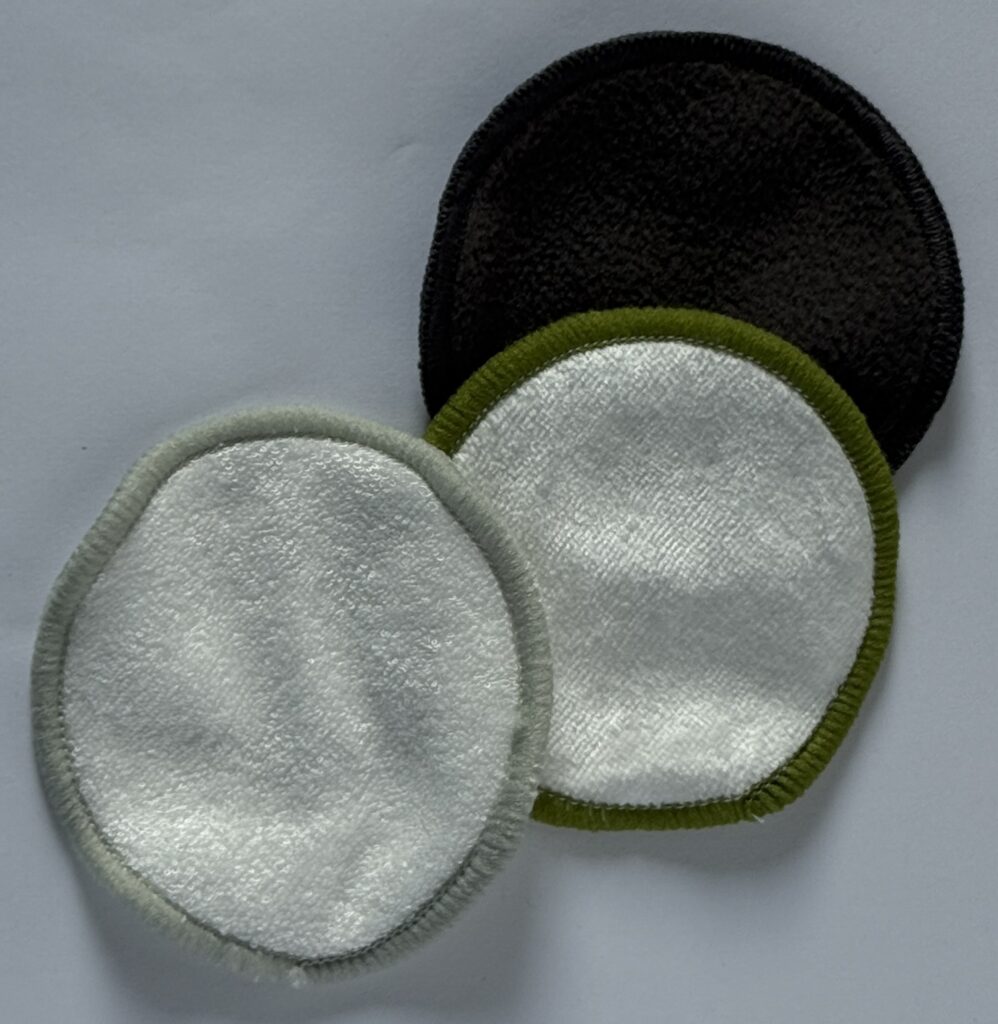
The Chloven Reusable Makeup Remover Pads set contains 30 reusable rounds made with bamboo-charcoal fiber and cotton. Thirty may sound excessive until you consider the practical benefit: you don’t have to run a tiny emergency laundry load because all six of your reusable pads are dirty.
Disposable cotton rounds disappear quickly when they’re part of a nightly skincare routine. Reusable rounds offer a straightforward alternative, but only when the system around them is convenient.
The setup that makes reusable rounds easier
- Keep clean rounds in an open jar or shallow container near your skincare products.
- Place a small mesh laundry bag beside them for used rounds.
- Zip the bag before adding it to a normal laundry load.
- Let the rounds dry completely before returning them to storage.
For everyday makeup, micellar water, cleansing balm or your usual remover can be applied to a damp round. Press it against the skin briefly before wiping rather than scrubbing repeatedly, especially around the eyes.
Heavily pigmented or waterproof products may stain light-colored fabric even after the pad is clean. That’s cosmetic, not necessarily a sign that the round has stopped working. Assigning the darker rounds to mascara and lipstick can keep the set looking presentable longer.
5. Choose a Bamboo Toothbrush Without Pretending It’s Completely Waste-Free
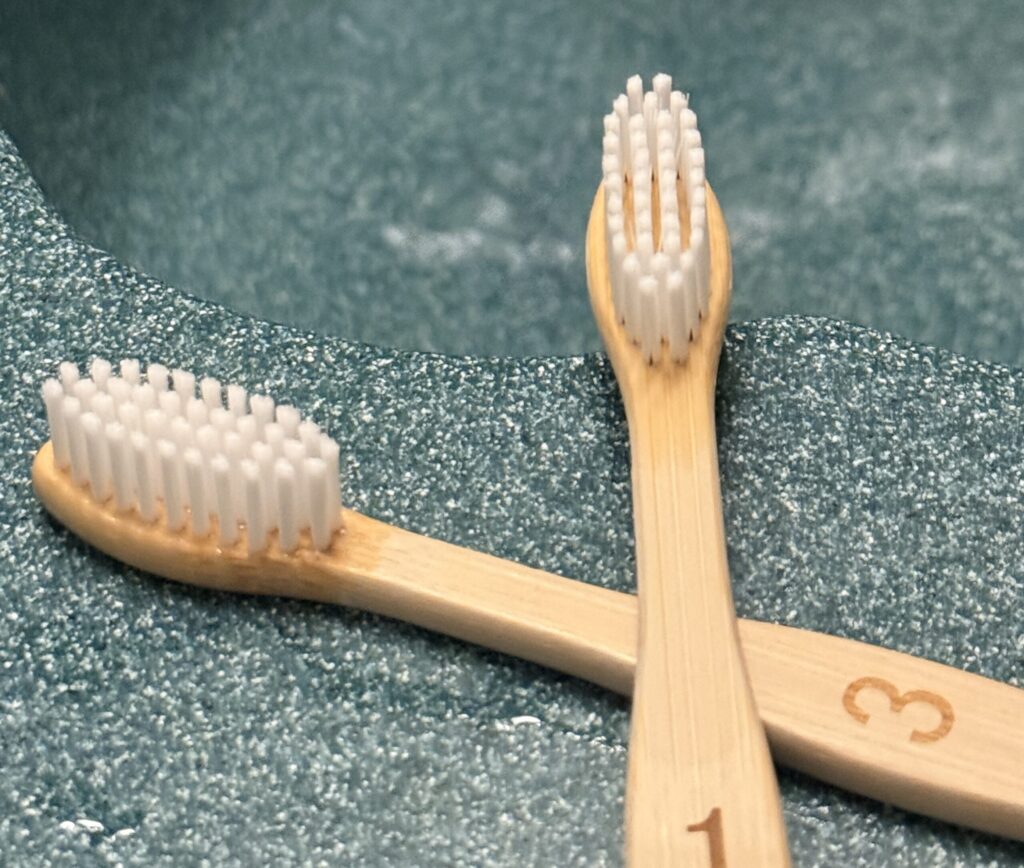
The VIVAGO Bamboo Toothbrush set includes 10 numbered bamboo toothbrushes. The numbering is a small but useful detail for couples, families and guest bathrooms. The listing describes the soft bristles as BPA-free and plant-based, using castor oil as a source material.
A toothbrush is a product you’re supposed to replace regularly, so reducing the amount of plastic in the handle makes sense. The key is understanding what you’re buying rather than assuming the whole brush will vanish harmlessly into a backyard compost pile.
Plant-based doesn’t automatically mean home-compostable. Unless the manufacturer gives clear disposal instructions for the complete brush, remove the bristles or brush head before composting or repurposing the bamboo handle. Local composting rules also vary.
Make the most of each toothbrush
- Rinse the brush thoroughly after each use.
- Store it upright and allow it to air-dry.
- Don’t share toothbrushes.
- Replace it when the bristles become frayed or roughly every three to four months.
- Repurpose the cleaned handle for plant labels, detail cleaning or craft projects before disposal.
The American Dental Association recommends a soft-bristled toothbrush and gentle pressure. A sustainable handle is useful, but it shouldn’t take priority over a brush that feels comfortable and cleans your teeth effectively.
The Most Sustainable Swaps Are Often the Ones You Already Own
There’s an uncomfortable contradiction in sustainable swaps: it can persuade us to buy more in the name of consuming less. You don’t need to throw away your plastic dish brush, unopened sponge packs or current toothbrush because a prettier alternative exists. Finish what you have. Repair what can be repaired. Reuse containers that still work. Then, when something genuinely needs replacing, choose the next version more carefully.
That approach isn’t as photogenic as an overnight “zero-waste transformation,” but it’s more realistic—and probably more useful.
A simple one-month challenge
Don’t replace five things at once. Choose one disposable product your household regularly runs out of. Use up the remaining supply, try one practical alternative and pay attention to whether it genuinely improves your routine.
If it works, keep it. If it doesn’t, learn from it rather than forcing yourself to maintain an inconvenient habit forever.
How to Avoid Greenwashing While Shopping
Words such as natural, green, eco-friendly and biodegradable can sound more precise than they are. Before purchasing, look beyond the front of the package.
- Check the actual materials. “Plant-based” may describe only part of a product.
- Read the care instructions. A reusable product that is difficult to maintain may not remain reusable for long.
- Look for specifics. A clear material list is more useful than a leaf icon.
- Consider packaging. A lower-waste item wrapped in several layers of unnecessary material loses part of its advantage.
- Ignore perfection. A product can reduce one kind of waste without being flawless in every environmental category.
A More Livable Kind of Sustainable Home
Sustainable swaps shouldn’t make your home harder to run. It should help you buy less often, waste fewer useful materials and become more deliberate about what earns space in your cabinets. For one household, that may mean beeswax wrap and washable makeup rounds. For another, it may simply mean taking better care of the tools already beside the sink. Both count.
The goal isn’t to assemble a perfect collection of eco-friendly products. It’s to create a home where ordinary things are chosen carefully, used fully and replaced thoughtfully.
Which disposable item seems to disappear fastest in your home? Save this guide for the next time it runs out, and follow Timber & Trend for more practical ways to build a natural, comfortable home without turning daily life into a project.
Sustainable Swaps Philosophy
A lower-waste home isn’t about an overnight, picture-perfect transformation. It’s simply about making life easier, less cluttered, and more intentional. Use what you already own until it’s truly worn out. Then, when the time comes, making practical sustainable swaps works best when it feels like normal life—replacing the ordinary with things you can reuse, wash, or keep around longer.
View our other collections for more inspiration and more sustainable swaps:
Sustainable Kitchen collection
Product details were reviewed when this article was prepared. Materials, packaging and availability can change. Confirm the current product listing and local recycling or composting requirements before purchasing or disposing of an item.
I’d like to thank Pexels, and all the creatives who contribute to the site for all of their contributions,.