A Better Classroom Setup – 5 Elementary Teacher Must-Haves
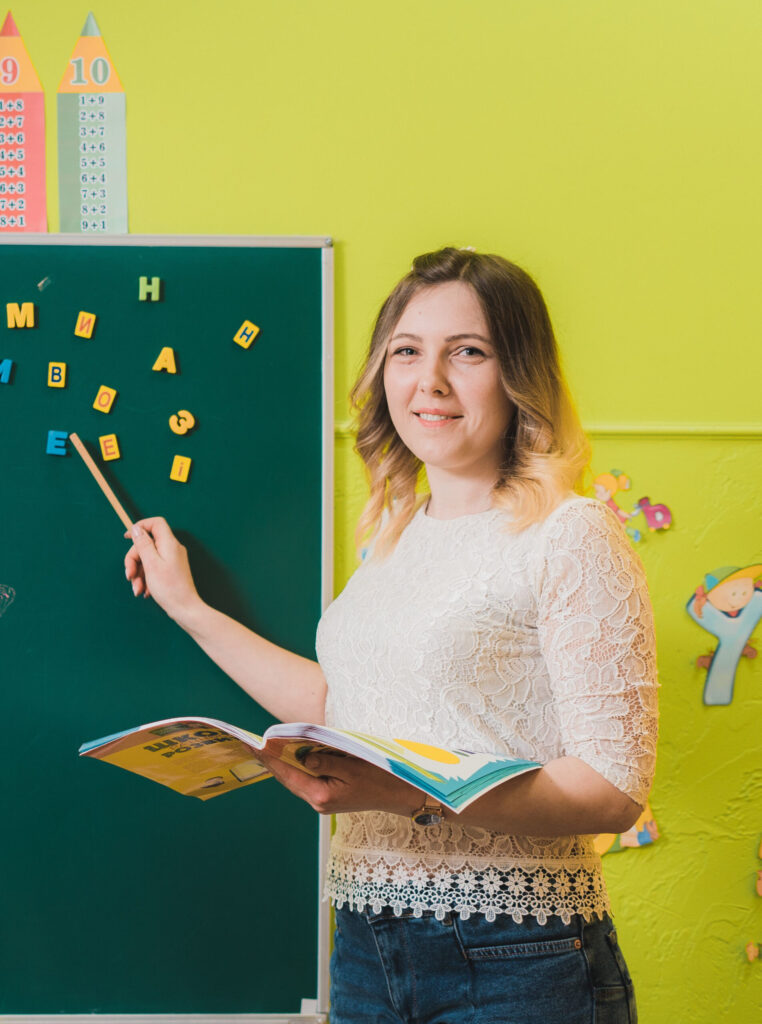
Back-to-school: it’s not just for students anymore
Real classroom setup recommendations from a working 5th-grade teacher and wing leader.
While families are checking backpacks, lunch boxes, and school-supply lists, teachers are building an entire classroom setup from the ground up. And anyone who’s spent time in an elementary classroom knows the things that actually make the day run better aren’t always the things that show up on the official supply list.
Back-to-school has a lot of different sides. Students are thinking about backpacks, schedules and dorm rooms—we’ve covered some of that in our Back-to-School Digital Life Kit and our Dorm Room Ideas guide—but teachers are preparing an entirely different kind of space.
So rather than put together another generic list of “teacher must-haves,” I went straight to a teacher.
My sister teaches 5th grade and serves as her grade-level wing leader. I asked her what she’d actually want in her classroom—things she’d use regularly, not cute desk accessories destined to collect dust.
She came back with five recommendations, and they say a lot about what teachers really need from a good classroom setup: tools that save time, keep the room organized, support instruction, and survive daily use by a classroom full of kids.
In addition, classroom setup isn’t just about making a room look good. The U.S. Department of Education’s What Works Clearinghouse gives strong evidence for modifying the classroom learning environment as a way to reduce behavior problems that interfere with students’ attention and engagement. In other words, how a classroom works matters just as much as how it looks.
1. Mr. Sketch Chisel-Tip Scented Markers
There are regular markers, and apparently there are teacher markers.
When I asked about Mr. Sketch markers, my sister didn’t hedge:
“EVERY teacher loves these.”
The chisel tip is the important part. Teachers can use the broad edge for big, readable lettering and the narrower edge for smaller writing, which makes them particularly useful for anchor charts and classroom displays.
In addition, they’re scented. That’s part of the fun—scented markers are a fantastic classroom tool that can make learning way more fun for kids while naturally helping them lock in and remember their lessons. And teachers actually use them.
For a 5th grade classroom, or really any elementary classroom setup where charts, labels, examples and visual instruction are constantly being created, a good set of markers earns its drawer space.
Best for: Anchor charts, classroom displays, demonstrations and everyday instruction.
As an Amazon Associate, I earn from qualifying purchases.
2. Classroom Storage That Can Handle the Chaos
Elementary classrooms accumulate stuff.
Paper. Manipulatives. Art supplies. Extra pencils. Games. Books. Rewards. Materials for next week’s lesson. Materials left over from last week’s lesson. And approximately 4,000 mysterious little objects that apparently can’t be thrown away because somebody will need one on Thursday.
Good storage isn’t particularly glamorous.
It is, however, sanity.
The storage system my sister recommended gives frequently used classroom supplies a designated home while keeping them accessible. That’s especially valuable in an elementary classroom, where students may need to retrieve and return materials themselves.
Organization isn’t just about making a classroom setup look nice. When everybody knows where something belongs, fewer minutes disappear looking for it. That basic idea lines up with Edutopia’s classroom-design guidance, which emphasizes intentional organization and learning spaces that support how students actually work.
Best for: Classroom organization, shared supplies, learning materials and keeping teacher workspaces usable.
As an Amazon Associate, I earn from qualifying purchases.
3. Post-it Super Sticky Easel Pad / Chart Paper
This was the luxury item on her list.
And I immediately understood why.
Teachers make anchor charts constantly, but ordinary chart paper creates another problem: What do you do with the chart after you’ve made it?
Post-it’s large sticky chart paper can go directly onto classroom walls and other suitable surfaces, turning something created during a lesson into a reference students can continue using afterward.
That makes it particularly useful for elementary classrooms, where visual reminders are everywhere for a reason.
Reading strategies. Math processes. Vocabulary. Classroom expectations. Writing examples. Science concepts.
Instead of teaching it, rolling it up and losing it somewhere, the lesson can stay in the room—and become part of the classroom setup students refer back to throughout the day.
Is it absolutely necessary?
Probably not.
Would a lot of teachers happily put it on their wish list?
Absolutely.
Best for: Anchor charts, small-group instruction, brainstorming, classroom reference materials and collaborative lessons.
As an Amazon Associate, I earn from qualifying purchases.
4. A Pencil Sharpener Built for a Classroom
If you’ve never considered a pencil sharpener an important piece of equipment, you probably haven’t had 25 kids with pencils.
Elementary teachers don’t need a sharpener designed to sharpen one pencil occasionally. They need something capable of handling pencil traffic.
The AFMAT sharpener my sister chose is a high-powered model intended for heavier use. That’s the distinction that matters here.
A classroom sharpener gets used. A lot.
And every minute a teacher spends fighting a jammed sharpener, replacing a cheap one or listening to rrrrrrrrrrrrrrrr while somebody attempts to resurrect a pencil that should’ve retired three weeks ago is a minute that isn’t going toward instruction.
This is one of those wonderfully boring purchases that quietly earns its place in a classroom setup because it removes one small recurring headache from the day.
Best for: High-use elementary classrooms and teachers who’ve already killed lesser pencil sharpeners.
As an Amazon Associate, I earn from qualifying purchases.
5. Small-Group Stools
This one tells you something about how elementary classrooms actually work.
Not every lesson happens with every student sitting behind a desk.
Teachers pull students together for guided reading, intervention, enrichment, projects and targeted instruction. A small-group area needs seating, but permanent chairs can eat up valuable classroom space.
Simple stools give students somewhere to sit without turning the small-group table into another bulky furniture zone.
Also, the set my sister recommended is colorful, straightforward and relatively compact—exactly the sort of thing that makes sense around a guided-reading or small-group table. It also gives the classroom setup a little more flexibility when students move between whole-group and small-group instruction.
They’re also one of those classroom purchases that students probably won’t think much about but a teacher absolutely will.
Best for: Guided reading, intervention groups, tutoring, centers and small-group instruction.
As an Amazon Associate, I earn from qualifying purchases.
What’s Actually Worth Putting on a Teacher Wish List?
What surprised me most about this list was what wasn’t on it.
No inspirational desk signs. No novelty mugs. No elaborate decorations.
Every recommendation solves a problem.
- Markers help teach.
- Storage controls clutter.
- Chart paper keeps instruction visible.
- The Pencil sharpener survives daily classroom life.
- Stools help create a usable small-group space.
That’s probably the best test for anything you’re considering adding to a classroom setup:
Will this make teaching easier or help the classroom work better?
If the answer is yes, it’s probably worth considering.
The 5-Item Classroom Setup Wish List
- Chisel-tip Mr. Sketch scented markers
- Practical classroom storage
- Post-it sticky chart paper
- High-powered classroom pencil sharpener
- Small-group stools
Save the list for your own classroom setup—or use it the next time a teacher tells you, “Oh, I don’t need anything.”
Because apparently they do.
They just might not need another mug.